If you’ve been working in the U.S. insurance space for more than five minutes lately, you know we are in the middle of a "Hard Market" that feels like it’s never going to end. Premiums are skyrocketing, capacity is shrinking, and clients are frustrated with traditional indemnity policies that take six months to pay out: if they pay out at all.
But while most agencies are struggling to keep their heads above water, a new breed of brokers is dominating the market using a tool that sounds like science fiction but is very much the reality of 2026: Parametric Insurance.
As a market researcher who has watched the U.S. insurance landscape shift, I can tell you that parametric insurance isn't just a "niche product" anymore. It is the revolution that is saving commercial agencies and providing the instant liquidity that businesses desperately need.
In this guide, I’m going to break down exactly what parametric insurance is, why it’s booming, and how your agency can use it to outpace competitors: provided you have the right back-office support to handle the technical heavy lifting.
What Exactly is Parametric Insurance?
Traditional insurance: the kind we’ve all sold for decades: is based on indemnity. A loss happens, an adjuster goes out, they argue about the value of the damage, and eventually, a check is cut.
Parametric insurance flips the script.
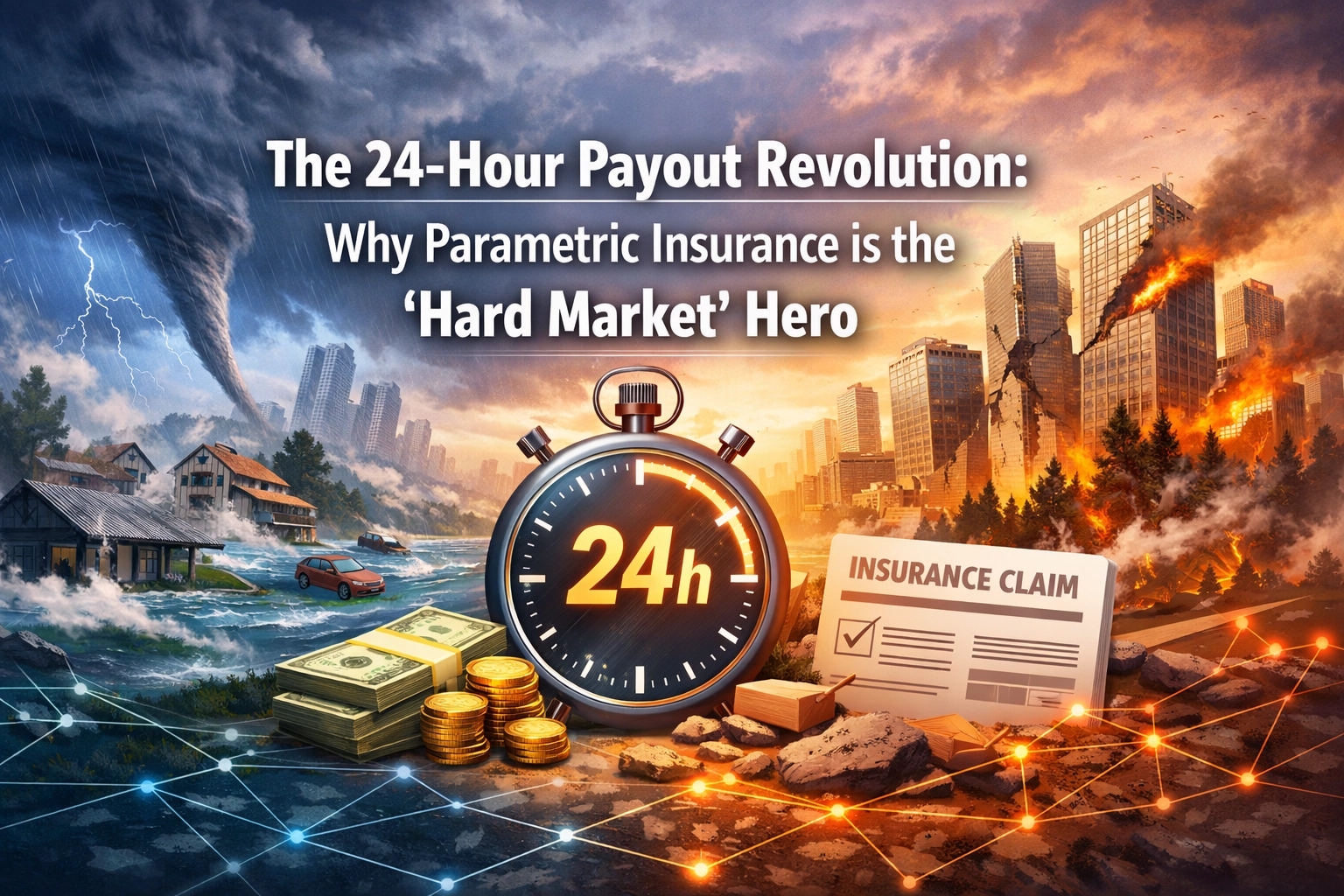
It doesn’t care about the actual physical damage. Instead, it pays out based on a pre-defined trigger. If a specific parameter is met (like wind speed in a hurricane, the magnitude of an earthquake, or the amount of rainfall), the policy pays out automatically.
How it Works in Simple Terms:
- The Trigger: You set a parameter. For example: "If wind speeds hit 120 mph within 20 miles of this zip code."
- The Payout: You set a pre-agreed amount. For example: "$500,000."
- The Settlement: Once the data from a trusted third party (like the National Hurricane Center) confirms the trigger was hit, the money is wired to the client.
No adjusters. No loss of income statements. No waiting. Just speed.
Parametric vs. Traditional: Why the Difference Matters Now
In a traditional claim, the friction is the "Adjustment" phase. This is where relationships between agencies and clients often break down. In the current hard market, insurers are under immense pressure to scrutinize every penny. This leads to long wait times and unhappy policyholders.
Parametric insurance removes this friction entirely. It is objective. The wind either blew that hard, or it didn’t. This transparency creates a level of trust that traditional indemnity just can't match right now. While traditional insurance is still necessary for covering the total replacement cost of a building, parametric insurance serves as the "First Responder" policy, providing immediate cash flow to keep a business running while the traditional claim grinds through the system.
The 2026 U.S. Boom: Why Now?
We are seeing a massive surge in parametric adoption across the U.S., particularly in coastal states and regions prone to "Secondary Perils" like wildfires and flash flooding.
There are three main drivers for this boom:
- Climate Volatility: Natural disasters are becoming more frequent and severe. Traditional insurers are pulling out of high-risk zones, leaving a massive coverage gap.
- The "Hard Market" Fatigue: Clients are tired of paying more for less. They want certainty.
- Data Maturity: We now have the sensor technology and satellite data to track triggers with pinpoint accuracy. This makes parametric policies easier to underwrite and more affordable than ever.
Profitable Niches: Where Should Your Agency Focus?
If you are an independent agency, broker, or MGA, you shouldn't be trying to sell parametric to everyone. You need to target industries where liquidity is king.
Here are the top sectors currently desperate for parametric solutions:
1. Agriculture
Crop insurance is the birthplace of parametric. Whether it’s too much rain or not enough, farmers need cash the moment a weather event ruins a season. They can’t wait months for an adjuster to walk the fields.
2. Hospitality & Tourism
If a hurricane is spinning in the Gulf, tourists cancel their bookings in Florida. Even if the hotel doesn't take physical damage, the "Loss of Attraction" is devastating. A parametric trigger based on storm proximity can replace that lost revenue instantly.
3. Construction
Large-scale projects are often delayed by weather. Wind, rain, or extreme heat can halt a site for weeks, causing massive overhead costs. Parametric policies can trigger payouts for every day the weather exceeds a certain threshold, keeping the project solvent.
4. Coastal Real Estate
Traditional property policies often have massive "named storm" deductibles. Parametric insurance is the perfect "gap filler" to cover those deductibles, providing the funds needed for immediate repairs or debris removal.
The Benefits to Your Agency (And Your Bottom Line)
Selling parametric insurance isn't just good for the client; it’s a strategic win for your agency:
- Zero Claims Disputes: You’ll never have to play middleman in a payout argument again.
- Reduced Churn: When a client gets a check 48 hours after a disaster, they will never leave your agency.
- Competitive Advantage: Most brokers are still stuck in the 1990s. Offering parametric solutions positions you as a high-tech, forward-thinking advisor.
- High Retention: These are specialized policies that require expertise to set up, making your agency indispensable.
The Admin Trap: Why You Need an Insurance Virtual Assistant
Here is the catch: While parametric insurance is simple in theory, the administration can be data-heavy. You have to monitor triggers, manage specialized certificates of insurance (COIs), and ensure the data feeds are accurate.
If your high-commission producers are stuck doing this back-office "grind," you aren't actually growing: you're just busy.
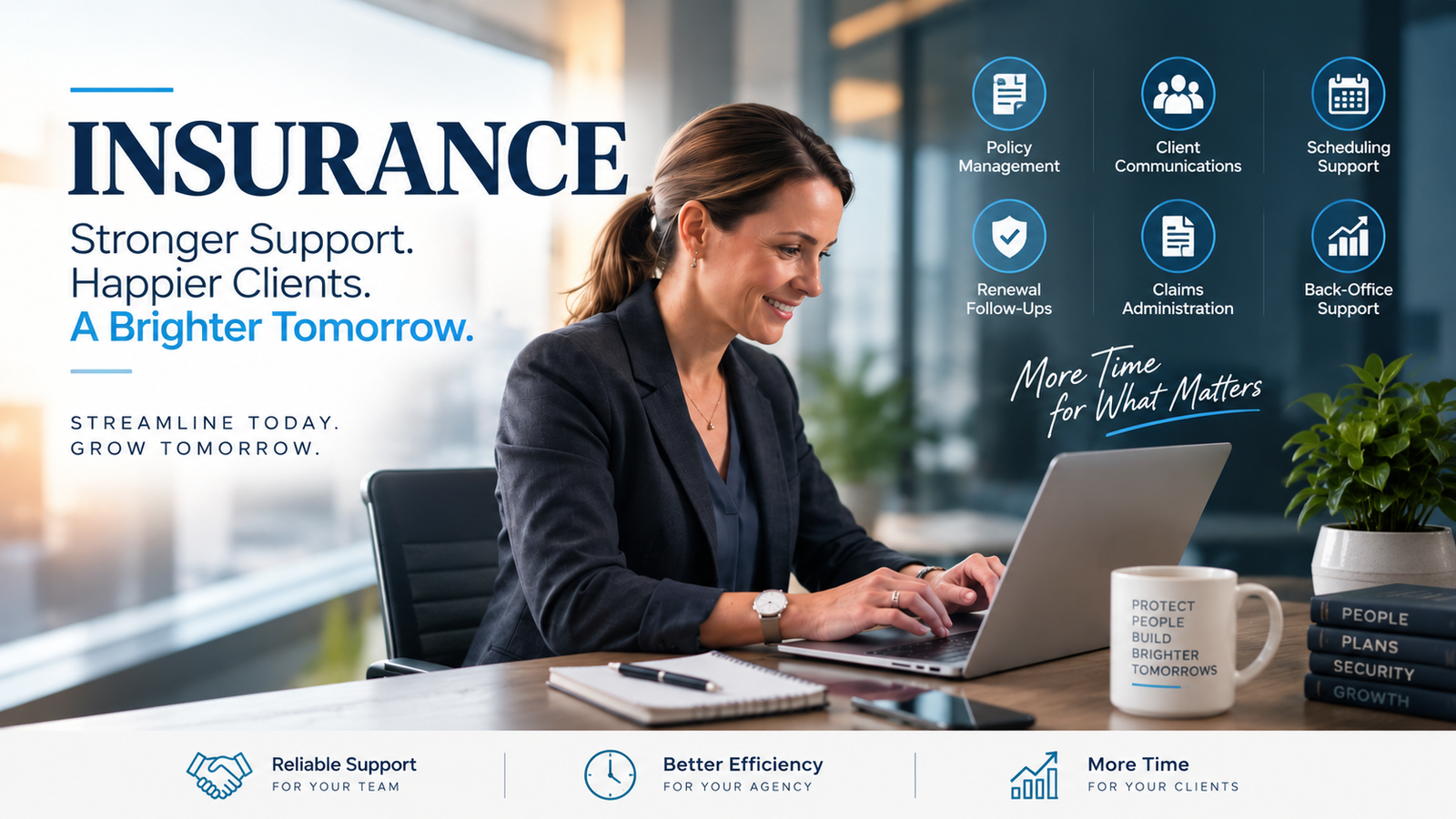
This is where Virtual Nexgen Solutions comes in. We provide specialized Insurance Virtual Assistants who understand the industry. Our VAs don’t just answer phones; they handle the heavy lifting of back-office administration so you can focus on high-value sales.
Case Study: The 48-Hour Florida Miracle
A commercial property agency in Florida was struggling with a client who owned a portfolio of coastal warehouses. After a major hurricane, the client’s traditional indemnity claim was bogged down in disputes over "wind vs. water" damage. It took nine months for a partial payout, nearly bankrupting the client.
The following year, the agency pivoted. They kept the traditional policy but added a Parametric Windstorm layer.
The agency leveraged a Virtual Nexgen Solutions Insurance Virtual Assistant to handle the entire setup. The VA managed the data triggers, processed the documentation, and ensured the certificates were perfectly aligned.
When the next storm hit, the result was night and day:
- Traditional Claim: Still took months to settle.
- Parametric Payout: Triggered automatically at 125mph wind speeds. The client had a full payout in 48 hours.
- The Result: The client didn’t just stay with the agency; they became a brand advocate. The agency saw a 100% client retention rate and a 40% increase in referral business within that specific niche.
How Virtual Nexgen Solutions Powers Your Growth
At Virtual Nexgen Solutions, we know that independent agencies are being squeezed. You need to offer modern products like parametric insurance, but you can't afford to hire a $50k/year local admin for every new niche.
Our Insurance Virtual Assistants are available for just $8 per hour. They are trained to handle:
- Policy renewals and documentation.
- Certificate of Insurance (COI) management.
- Trigger monitoring for parametric policies.
- Updating Agency Management Systems (AMS).
- Handling the back-and-forth with MGAs and wholesalers.
By offloading the admin to us, your team can spend 100% of their time on revenue-generating activities. We aren't just an outsourcing company; we are the administrative engine that allows your agency to scale in a high-tech market.
Whether you are looking for contractor dispatch optimization tips for your construction clients or need a dedicated team to manage your AI insurance claims regulations compliance, we have the expertise you need.
Don't Let the Hard Market Win
The U.S. insurance market is shifting, and parametric insurance is the future. But you can't build a future-proof agency on a foundation of manual, outdated back-office processes.
Stop drowning in paperwork and start dominating the market.
Book a 30-minute strategy call with Virtual Nexgen Solutions today and see how our $8/hour Insurance Virtual Assistants can help you deploy parametric solutions at scale.