Your logistics operation doesn't sleep. So why does your team clock out at 5 PM?If you're running a Logistics Virtual Assistant model right now: or considering one: you've probably heard the usual pitch: "Save money on salaries!" But here's what most logistics managers miss: the real ROI isn't just about cutting payroll. It's about the $47,000 you're bleeding annually from delayed shipments, missed carrier check-ins, and after-hours exceptions that sit unresolved until Monday morning.
Let's break down the hidden costs of in-house logistics teams versus the 24/7 supply chain coverage that's quietly making your competitors faster, leaner, and more profitable in 2026.
The Real Cost of Your In-House Logistics Team (And Why It's Higher Than You Think)
Most logistics directors look at the salary line and call it a day. A full-time logistics coordinator costs $45,000–$65,000 annually, plus benefits, office space, and equipment. That's the visible cost.
Here's what doesn't show up on the P&L:
Idle Time During Low-Volume Periods: Your in-house team gets paid the same whether they're processing 500 shipments or 50. During seasonal dips (post-holiday lulls, summer slowdowns), you're paying for 40 hours of capacity but using 15.
After-Hours Exceptions: A delayed shipment notification hits at 8 PM. Your team is home. The customer finds out the next morning: when they call your competitor. According to supply chain benchmarking data, unresolved after-hours exceptions cost logistics operations an average of $220 per incident when factoring in customer churn, expedited shipping corrections, and carrier penalties.
Vacation and Sick Leave Coverage: When your logistics coordinator takes two weeks off, who monitors the tracking dashboards? Who escalates carrier delays? Either you scramble for temp coverage (expensive and error-prone) or exceptions pile up.
The hidden cost formula looks like this:
Base Salary + Benefits + Overhead + Idle Capacity + After-Hours Gaps + Coverage Costs = True Annual Cost
For most mid-sized logistics operations, that "True Annual Cost" exceeds $85,000 per employee: not including the opportunity cost of lost customers due to slow response times.
The 24/7 Coverage Advantage: Why Time Zones Are Your Secret Weapon
Here's where the Logistics Virtual Assistant model flips the script.
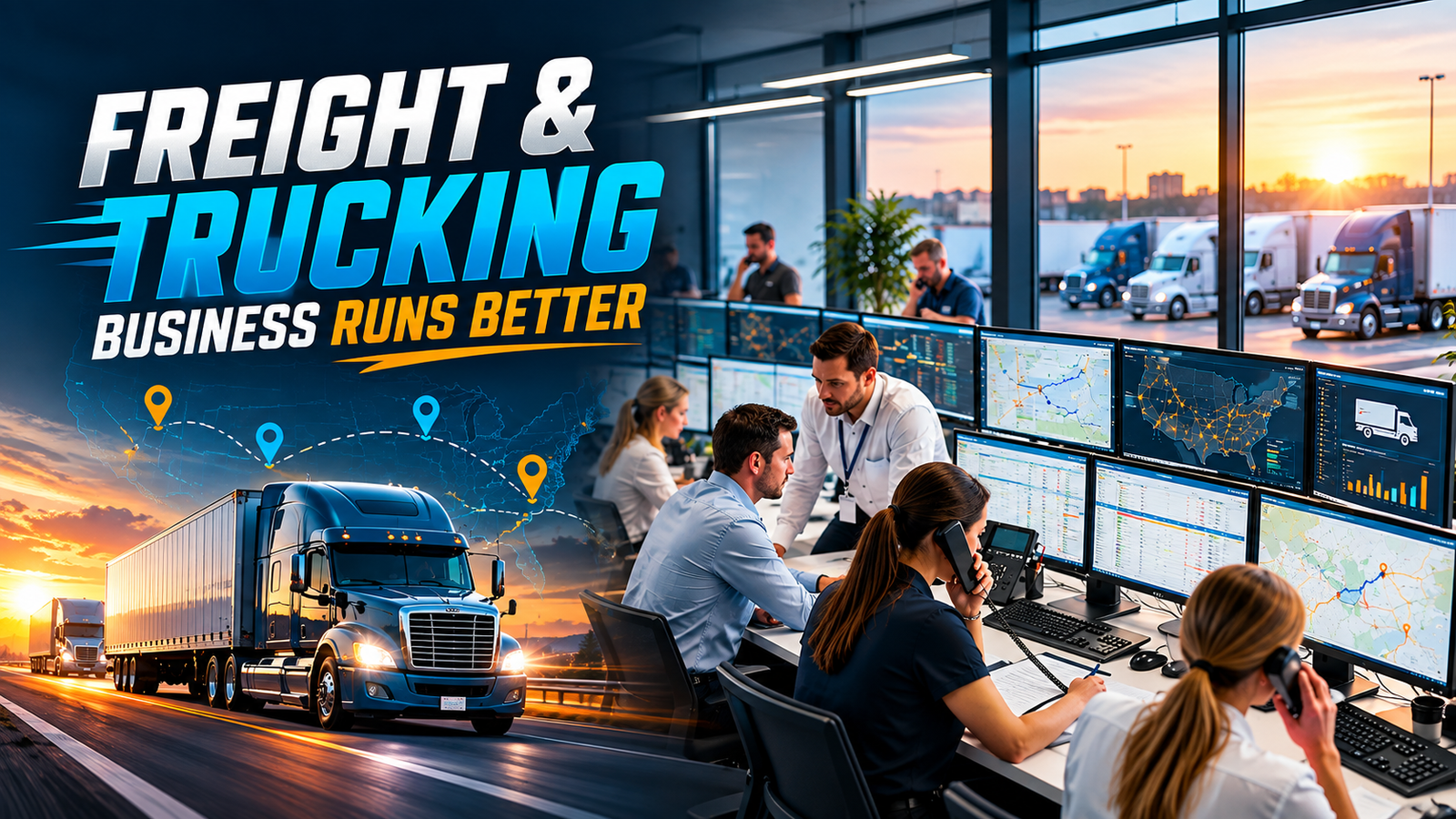
Virtual Nexgen's logistics VAs operate across time zones, which means your shipment monitoring never stops. When your New Jersey warehouse closes at 6 PM EST, a VA in Manila (12+ hours ahead) is just starting their day. They’re real people doing real coordination work, like:
- Monitoring FedEx, UPS, and freight carrier dashboards in real-time
- Flagging delivery exceptions before they escalate
- Updating customers proactively when shipments are delayed
- Communicating with carriers to reroute or expedite problem loads
Real-World Impact: A construction equipment distributor we work with switched to 24/7 VA coverage in Q4 2025. Within 60 days, they reduced delivery exceptions by 38% and cut their average customer complaint resolution time from 14 hours to 3 hours. The ROI? They recaptured $28,000 in potential lost contracts because customers stopped switching to competitors with "better tracking."
The math is brutal for in-house teams: every hour your logistics operation goes dark is an hour your competitors stay visible.
The Hidden ROI Math: Cost Savings vs. Revenue Protection
Let's run the numbers for a logistics operation processing 200 shipments daily:
In-House Model:
- 2 full-time logistics coordinators: $130,000/year (salary + benefits)
- Office space and equipment: $12,000/year
- Downtime during off-hours: Est. 16 hours/day uncovered
- Average after-hours exceptions missed: 12/month
- Cost of missed exceptions: $2,640/month ($220 × 12)
Total Annual Cost: $173,680
Logistics Virtual Assistant Model (Virtual Nexgen):
- 2 dedicated logistics VAs (24/7 rotation): $52,000/year
- No office overhead: $0
- Downtime: 0 hours (continuous coverage)
- After-hours exceptions caught: 100%
- Revenue protection from reduced churn: +$31,680/year
Total Annual Cost: $52,000
Net ROI: $121,680 saved annually + $31,680 protected revenue = $153,360 total value
That's a 265% ROI in the first year: before you factor in scalability during peak seasons.
When Virtual Assistants Beat In-House (And When They Don't)
Not every logistics operation needs to go fully virtual. Here's the break-even analysis based on workload and complexity:
Choose Logistics VAs When:
Your shipment volume fluctuates seasonally. E-commerce logistics, retail distribution, and construction materials see massive volume swings. VAs scale up during Q4 or summer construction season, then scale down without layoffs or severance costs.
You need 24/7 monitoring without triple-staffing. If your customers are in multiple time zones (or you ship internationally), in-house teams require three 8-hour shifts. VAs cover 24/7 with just two dedicated resources.
Administrative tasks eat 60% of your team's time. If your logistics coordinators spend more time updating spreadsheets, answering "Where's my order?" emails, and filing carrier claims than actually solving problems, VAs handle the admin while you focus on strategy.
You're scaling fast but can't afford full-time headcount yet. Startups and growing distributors can't justify $130K+ for two full-time hires. VAs give you enterprise-level logistics support at startup pricing.
Stick with In-House When:
You have 40+ hours of recurring, high-complexity work weekly. If your logistics require deep ERP ownership, hands-on warehouse coordination, or constant face-to-face problem-solving, in-house makes sense. (Though many Virtual Nexgen clients pair one in-house manager with two VAs to split strategic vs. operational work.)
Security and compliance are mission-critical. Government contractors, pharmaceutical logistics, and highly regulated industries may require on-premise staff with deep security clearance. That said, Virtual Nexgen's VAs operate under strict NDAs and secure access policies, and we follow client-approved processes for handling sensitive shipment and customer data.
You need instant, same-room collaboration. If your logistics team sits next to your warehouse floor and troubleshoots issues by walking 20 feet, in-house wins on speed. (But if your team is remote anyway? VAs offer the same Slack/Zoom collaboration at half the cost.)
The Scalability Factor: Peak Season Without the Panic
Here's a pain point every logistics manager knows: Q4 hiring chaos.
You need three extra logistics coordinators for November–December. You post the job, interview for two weeks, onboard for another week, and by the time they're trained... it's December 20th and the season's almost over. Then you're stuck with overstaffed January payroll or awkward layoff conversations.
Virtual Nexgen's logistics VAs solve this with on-demand scaling:
- Need two extra VAs for peak season? They're onboarded and tracking shipments within 48 hours.
- Season ends? Scale back down without HR drama or unemployment claims.
- Mid-year product launch? Spin up temporary logistics support for 4–6 weeks, then release.
A Texas-based industrial supply distributor used this model during a major contract fulfillment push. They added three VAs for 90 days, processed 41% more orders than their previous peak, and spent $18,000 less than if they'd hired temporary in-house staff (after factoring in recruiting, training, and turnover costs).
What Virtual Nexgen's Logistics VAs Actually Do (Beyond "Tracking Shipments")
Let's get tactical. Here's what a dedicated logistics VA handles daily:
- Monitor carrier dashboards (FedEx, UPS, freight forwarders) and flag delays before customers notice.
- Communicate with carriers to reroute problem shipments or escalate service failures.
- Update CRM and ERP systems with real-time tracking data and delivery confirmations.
- Handle customer inquiries via email and chat ("Where's my order?" tickets resolved in under 1 hour).
- File and track claims for damaged or lost shipments.
- Generate daily exception reports so logistics managers see problems at a glance.
- Coordinate with warehouse teams for pickup scheduling and last-mile logistics.
They're not just "virtual data entry." They're proactive problem-solvers who catch issues before they become customer complaints.
And because Virtual Nexgen specializes in logistics VAs (not generalist freelancers), your team gets someone who already knows ShipStation, 3PL systems, and freight terminology on Day 1.
The Bottom Line: Your Competitors Are Already Doing This
If you're still running a 9-to-5 in-house logistics team in 2026, you're competing with companies that have 24/7 exception monitoring, 50% lower overhead, and instant scalability.
The ROI isn't just about saving $121,680 annually. It's about not losing the $200K contract because a delayed shipment sat unresolved for 18 hours while your team was offline.
It's about scaling to 300% volume during peak season without posting job ads or paying recruiter fees.
It's about keeping your best customers because they get proactive updates at 9 PM on a Saturday instead of finding out Monday morning that their delivery failed.
Ready to see what 24/7 logistics support actually costs? Book a 15-minute ROI consultation with Virtual Nexgen and we'll show you exactly how much you're losing to after-hours gaps: and how fast we can close them.
Your supply chain doesn't sleep. Your support team shouldn't either.