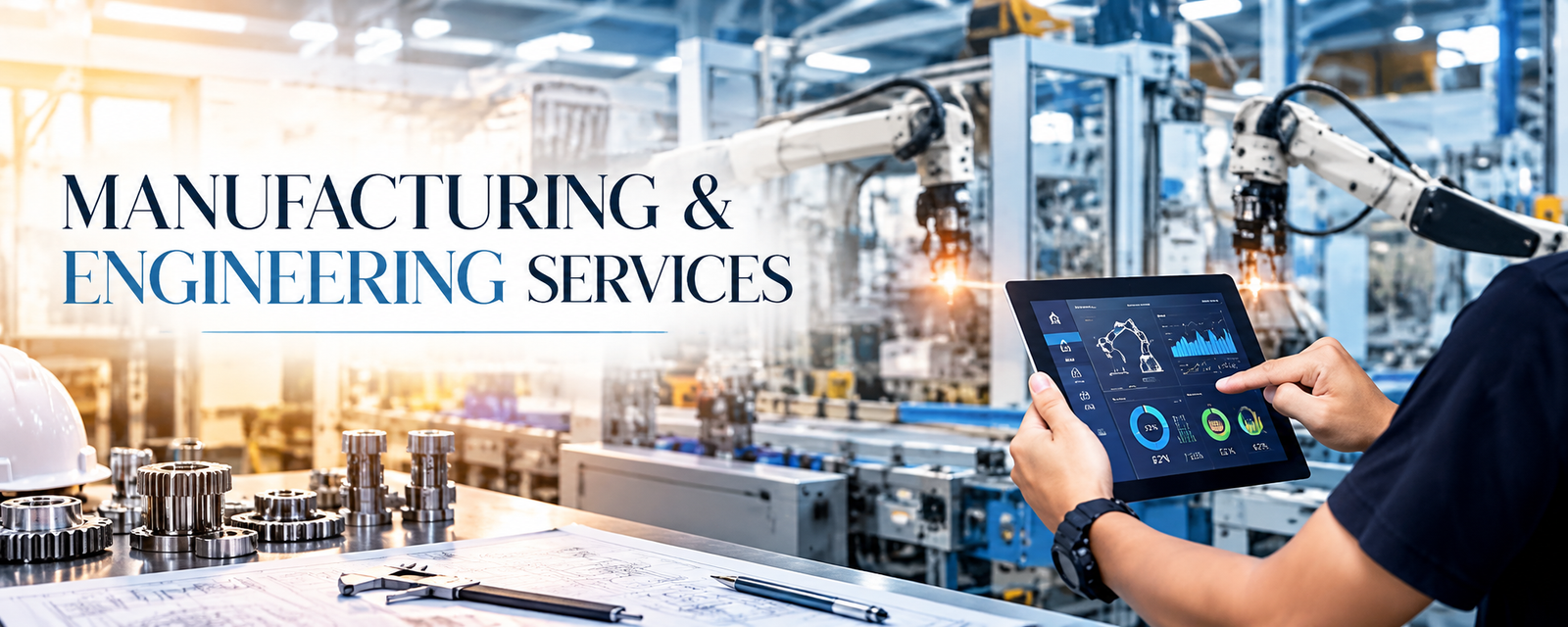
Manufacturing and engineering businesses depend on accurate information, reliable coordination, and timely communication. Alongside production and technical work, teams must manage purchase orders, supplier updates, project documents, schedules, customer inquiries, and reports.
When administrative tasks are spread across email, spreadsheets, and multiple systems, it can be difficult to keep records current and identify outstanding actions. A Manufacturing Virtual Assistant helps industrial businesses organize these recurring responsibilities and support the administrative side of engineering and production operations.
What Does a Manufacturing Virtual Assistant Do?
A Manufacturing Virtual Assistant is a remote professional who supports administrative workflows for manufacturers, engineering firms, and industrial service providers. Responsibilities may include organizing documents, tracking purchase orders, updating spreadsheets, coordinating meetings, following up with suppliers, and preparing routine reports.
A VA supports the operational team but does not replace engineers, production supervisors, quality professionals, or other personnel responsible for technical decisions.
7 Ways a Manufacturing VA Can Support Your Business
1. Organize Technical and Business Documents
Manufacturing and engineering operations may involve drawings, specifications, manuals, purchase orders, inspection records, work instructions, and project correspondence.
A VA can organize approved documents, maintain file naming conventions, update document registers, and track missing records.
Technical content, revision approvals, and controlled engineering changes must remain with authorized personnel.
2. Track Purchase Orders and Supplier Follow-Ups
Procurement workflows involve purchase requests, order confirmations, expected delivery dates, and supplier communication.
A VA can update purchase order trackers, request status updates, record supplier responses, and flag delayed or incomplete information.
Purchasing decisions, supplier selection, commercial negotiations, and order approvals should follow the company’s authorization process.
3. Support Production and Project Scheduling Administration
Manufacturing and engineering teams coordinate meetings, milestones, internal reviews, and delivery commitments.
A VA can maintain administrative calendars, schedule meetings, send reminders, and update trackers using information supplied by the responsible team.
Production planning, engineering priorities, and commitments to customers should remain with authorized managers.
4. Maintain Customer and Project Records
A VA can update customer details, maintain project folders, record communication, and organize outstanding requests.
They can also help prepare routine project status summaries from approved information, making it easier for managers to identify pending actions.
5. Coordinate Routine Customer Communication
Industrial customers may request order updates, documentation, delivery information, or meeting times.
A VA can route inquiries, send approved updates, organize requests, and follow up on unanswered messages.
Technical specifications, engineering recommendations, quality determinations, and contractual commitments should be handled by the appropriate professionals.
6. Assist With Reports and Data Entry
Manufacturing and engineering teams often maintain spreadsheets and reports related to orders, suppliers, project milestones, and administrative activity.
A VA can enter approved information, check records for missing fields, consolidate data, and prepare routine summaries.
They should not certify technical results, alter controlled records without approval, or make decisions based on data that requires professional interpretation.
7. Support General Back-Office Administration
A Manufacturing Virtual Assistant can manage shared inboxes, organize files, update contact databases, coordinate meetings, maintain task lists, and track outstanding paperwork.
These responsibilities help keep administrative processes moving while technical staff focus on engineering, production, quality, and customer requirements.
Building a Reliable Workflow
Start by selecting repeatable tasks that do not require technical judgment. Document control administration, purchase order follow-ups, meeting coordination, and routine reporting are practical options.
Define access permissions, document version rules, escalation steps, and approval requirements. If the VA will work with an ERP, project management system, or shared document repository, provide role-specific training and limit access to the information required.
Establish clear measures such as document tracking accuracy, completed supplier follow-ups, report timeliness, and outstanding administrative actions.
The U.S. Bureau of Labor Statistics reported that labor productivity increased in 39 of the 80 covered four-digit manufacturing industries in 2025. Results varied considerably by industry, so the figure should not be interpreted as a uniform trend across all manufacturers. The report highlights the importance of evaluating productivity at the industry level. See the BLS manufacturing productivity report.
Frequently Asked Questions
What does a Manufacturing Virtual Assistant do?
A manufacturing VA can organize documents, track purchase orders, follow up with suppliers, update records, coordinate meetings, and prepare routine reports.
Can a manufacturing VA support engineering teams?
Yes. A VA can provide administrative support such as document organization, meeting coordination, project tracking, and follow-ups. Engineering calculations, design decisions, and technical approvals remain with qualified professionals.
Can a Virtual Assistant track purchase orders?
Yes. A VA can maintain purchase order records, request supplier updates, track expected delivery information, and flag outstanding items for the procurement team.
Can a manufacturing VA work with ERP or project management software?
A trained VA may support approved systems, depending on their experience, training, and access permissions. The company should define which records the VA may view or update.
Support Your Manufacturing and Engineering Operations With Virtual Nexgen Solutions
Virtual Nexgen Solutions provides dedicated Virtual Assistants to help manufacturing and engineering businesses manage document organization, supplier follow-ups, purchase order tracking, reporting, scheduling, and administrative coordination.
Ready to delegate the busywork and give your team more time to grow? Partner with Virtual Nexgen Solutions for reliable, industry-focused Virtual Assistant support tailored to your business needs.