You didn’t spend years mastering the art of structural integrity and aesthetic harmony to spend your afternoons chasing down missing permit signatures or manually logging RFI responses. Yet, for the modern firm owner, the "design" part of the job often feels like a distant second to the crushing weight of administrative debt. When you are buried in coordination emails, vendor follow-ups, and document versioning, your firm isn't just standing still: it is actively leaking profit.
The reality for many boutique and mid-sized architecture firms is a constant cycle of "Admin Debt." Every hour you spend on non-billable administrative tasks is an hour stolen from high-value design work or business development. This operational bottleneck limits your firm’s capacity to take on larger projects and erodes your bottom line. To scale in a competitive landscape, you need a way to decouple your growth from your personal billable hours.
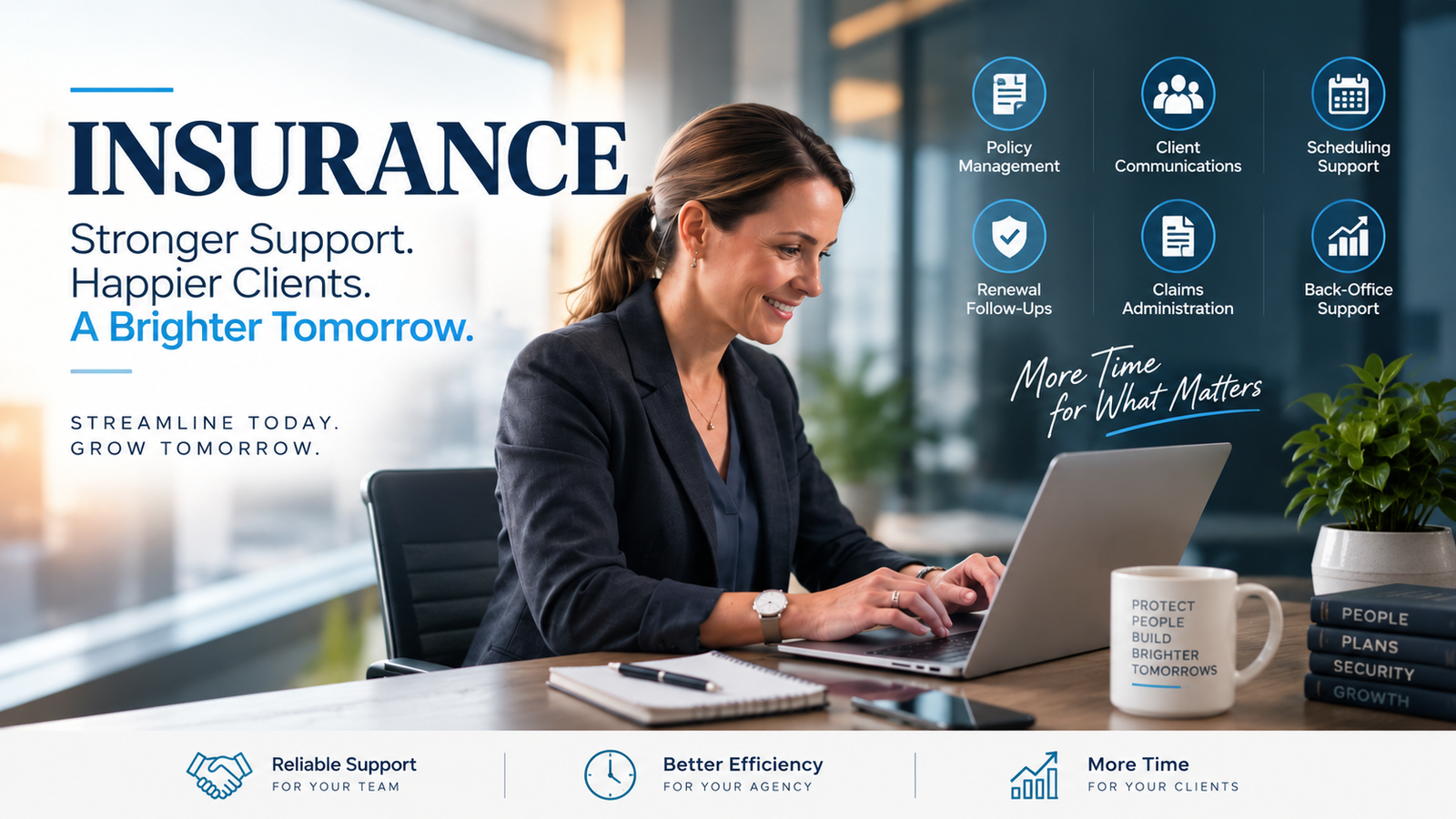
This is where the Architecture Virtual Assistant becomes your firm's most strategic asset. By integrating a specialized professional into your workflow, you can reclaim your creative headspace and focus on the visionary work that built your reputation. Virtual Nexgen Solutions provides the administrative engine that allows you to design your growth, not just survive the workload.
The Modern Architectural Landscape: Growth vs. Capacity
The architecture industry in the United States is dominated by small practices. Statistics indicate that approximately 75% of architecture firms have fewer than 10 employees. For these firms, the owner often acts as the lead designer, the project manager, the billing department, and the administrative assistant simultaneously.
This "solopreneur" or "micro-firm" model hits a hard ceiling very quickly. As project complexity increases: especially with the rise of stringent sustainability requirements and complex BIM workflows: the administrative burden grows exponentially. Many firms find themselves turning down lucrative contracts simply because they do not have the "back-office" bandwidth to handle the paperwork that comes with them.
In 2026, the firms that are winning are those that have learned to leverage remote talent. By utilizing an Architecture Virtual Assistant at a rate of $8 per hour, firms can achieve the same operational output as a $60,000-per-year local hire at a fraction of the cost. This shift allows for a lean, agile business model that can scale up or down based on project demand without the risk of heavy overhead.
6 Daily Pain Points Killing Architecture Firm Profits
Before you can fix the problem, you must identify where the leakage is occurring. For most firm owners, the following six areas represent the greatest drain on resources:
1. Administrative Debt and Billable Hour Leakage
Every minute spent formatting a proposal or organizing project folders is a minute you cannot bill to a client at your professional rate. This "Admin Debt" accumulates over the week, often forcing architects to work late into the night just to catch up on actual design work.
2. CAD/BIM Drafting Bottlenecks
Small changes in a design can require hours of tedious CAD cleanup or BIM model updates. When the lead architect is stuck doing line-weight adjustments or basic 3D modeling updates, the firm’s most expensive asset is being used for entry-level tasks.
3. Complex Permitting and Code Research
Navigating the labyrinth of local building codes and municipal permitting requirements is a full-time job. Missing one signature or failing to track a permit status can delay a multi-million dollar project for weeks, damaging your reputation and project timelines.
4. RFI and Submittal Management Chaos
During the construction phase, the volume of Requests for Information (RFIs) and submittals can become overwhelming. Without a dedicated system and person to log, track, and follow up on these items, things fall through the cracks, leading to costly errors in the field.
5. Client Communication Delays
Architects are notoriously difficult to reach because they are either in the field or deep in design work. Missed calls and delayed email responses result in frustrated clients and lost opportunities for new business.
6. Document Control and Versioning Issues
With multiple consultants, engineers, and contractors involved, keeping track of the latest drawing set is a constant struggle. Poor document control leads to teams working off outdated plans, which is a recipe for litigation and expensive rework.
Specialized VA Tasks: The 10 Essential Roles
An Architecture Virtual Assistant from Virtual Nexgen Solutions is more than just a secretary; they are a specialized project coordinator. Here are ten tasks they can handle immediately:
- CAD/BIM File Formatting: Standardizing layers, line weights, and title blocks across all project files to ensure consistency.
- Project Timeline Management: Updating schedules in tools like Monograph or Asana to keep all stakeholders aligned on deadlines.
- Local Building Code Research: Performing preliminary research on zoning laws and building codes for new project sites.
- Permit Tracking: Managing the submission process and following up with city officials until the permit is issued.
- 3D Render Coordination: Setting up scenes, managing render queues, and organizing visual assets for client presentations.
- Vendor and Supplier Outreach: Sourcing material samples, requesting quotes, and coordinating deliveries to the studio.
- RFI and Submittal Logging: Maintaining a central log of all project inquiries and ensuring timely responses from the design team.
- Invoicing and Billing: Tracking billable hours and generating professional invoices using your firm's preferred software.
- Client Intake and Onboarding: Managing the initial contact with potential clients and gathering necessary project data.
- LEED and Sustainability Documentation: Organizing the paperwork required for green building certifications and sustainability reporting.
Expert Tools Your VA Will Master
To be effective, your VA must integrate into your existing tech stack. Virtual Nexgen Solutions ensures our VAs are proficient in the industry’s leading software:
- Design & BIM: AutoCAD, Revit, SketchUp, Rhino.
- Project Management: Monograph, Procore, BIM 360, Asana.
- Technical Documentation: Bluebeam Revu, Adobe Creative Suite.
- Communication: Slack, Microsoft Teams, Zoom.
- Administrative Support: GoHighLevel for CRM, Microsoft 360, Google Workspace.
- Sustainability: LEED Online, various AI-powered documentation tools for energy modeling support.
Case Studies: Real Results for Real Firms
Case Study 1: Scaling the Boutique Firm in Florida
Challenge: A boutique residential firm in Florida was struggling to move past three active projects. The owner was spending 20 hours a week on permit tracking and RFI management, leaving no time for business development.
Action: Virtual Nexgen Solutions integrated a VA to take over all permit coordination and construction administration logging. The VA also began managing the owner's calendar and initial client intake.
Result: Within six months, the firm increased its active project load by 40%. Billable hours for the lead architect rose by 15 hours per week, and the firm reduced its administrative overhead costs by 60% compared to hiring a local office manager.
Case Study 2: Systematizing the Commercial Studio in Texas
Challenge: A mid-sized commercial studio was experiencing frequent errors in the field due to poor document versioning and missed RFIs. Project managers were overwhelmed by the sheer volume of paperwork.
Action: A Virtual Nexgen VA was brought in as a dedicated Project Coordinator. They implemented a standardized RFI logging system and took over the management of the BIM 360 document environment.
Result: Project errors related to documentation dropped by 80%. The studio was able to finish three consecutive projects ahead of schedule, leading to a major contract renewal with a key developer.
12 Tactical SOPs for Architectural Excellence
To ensure your VA hits the ground running, use these Standard Operating Procedures (SOPs). These are the building blocks of an efficient, remote-integrated firm.
1. Construction RFI Processing
- Monitor the project email or Procore inbox for new RFIs.
- Log the RFI into the Master Tracking Sheet with a unique ID and date.
- Notify the relevant Architect or Engineer of the pending request.
- Once the Architect provides a response, format it onto the official RFI form.
- Send the response to the General Contractor and mark as "Closed" in the log.
2. Zoning and Code Preliminary Search
- Locate the project address on the municipal GIS map.
- Identify the zoning district and overlay zones.
- Download the relevant sections of the municipal code (Setbacks, Height limits, FAR).
- Compile these findings into a "Site Analysis" brief for the Architect’s review.
3. CAD File Standardization
- Open incoming files from consultants.
- Run a "Purge" and "Audit" to clean up unnecessary data.
- Map consultant layers to the firm’s standard AIA layer list.
- Update the title block with current project information and date.
4. Client Lead Intake
- Answer all incoming inquiries via phone or website form.
- Filter leads based on the firm’s "Ideal Client Profile."
- Send a "Project Questionnaire" to qualified leads.
- Schedule a 15-minute discovery call on the Architect's calendar.
5. Submittal Tracking
- Review the project specification manual to create a submittal register.
- Track all incoming material samples and shop drawings.
- Route submittals to the appropriate consultant for review.
- Stamp and return approved submittals to the contractor within 48 hours.
6. Permit Status Monitoring
- Log into the city’s building department portal every Tuesday and Thursday.
- Check for "Comments" or "Corrections" on all active permits.
- If corrections are issued, download the report and notify the Design Team.
- Document the date of every status change in the firm’s internal tracker.
7. Vendor Sample Procurement
- Receive a list of desired materials from the Interior Designer.
- Contact manufacturers to request physical samples.
- Track shipments and notify the studio when samples arrive.
- Maintain a digital catalog of available samples for future projects.
8. Monthly Project Invoicing
- Compile all billable hours from the time-tracking software.
- Cross-reference hours with the project's contract milestones.
- Draft the invoice and include any reimbursable expense receipts.
- Submit the draft to the Principal for final approval before sending to the client.
9. 3D Render Setup
- Export the latest 3D model from Revit into the rendering software (e.g., Enscape or Lumion).
- Apply standard material libraries as defined by the design brief.
- Set up the camera views based on the Principal's markups.
- Run low-resolution test renders for initial approval.
10. LEED Documentation Upload
- Gather manufacturer cut sheets for all specified sustainable materials.
- Extract the VOC content and recycled content data.
- Upload the documentation to the LEED Online portal.
- Alert the Sustainability Lead if any documentation is missing.
11. Project Meeting Minutes
- Attend project coordination meetings via Zoom or Teams.
- Record all "Action Items," the responsible party, and the deadline.
- Transcribe the notes into the firm’s standard Meeting Minute template.
- Distribute the minutes to all attendees within 24 hours.
12. Final Project Archiving
- Move the final "As-Built" drawings into the "Archived Projects" folder.
- Clean up the project directory by removing duplicate or temporary files.
- Consolidate the project photo gallery for marketing use.
- Mark the project as "Complete" in the CRM and billing system.
Why Virtual Nexgen Solutions is the Best Choice for Architects
We don't just provide "virtual help"; we provide an operational operating system for your firm. Our VAs are trained to understand the specific language of the AEC (Architecture, Engineering, and Construction) industry.
When you partner with Virtual Nexgen Solutions, you aren't just hiring a remote worker: you are investing in a system that eliminates profit leakage. At $8 per hour, our service is designed to be the most cost-effective way to scale your practice. We prioritize reliability, high-level technical skills, and a deep understanding of architectural workflows.
By offloading the "Admin Debt" to our specialized professionals, you protect your most valuable asset: your time. You can return to the drawing board, secure larger contracts, and finally focus on the creative vision that defines your firm.
Frequently Asked Questions
Can a VA really handle CAD and BIM work?
Yes. Our VAs are proficient in industry-standard tools like AutoCAD and Revit. While they do not replace the licensed Architect’s design judgment, they are excellent at handling the time-consuming tasks of drafting, file cleanup, and model updates under your direction.
How do we communicate with a remote VA on complex designs?
We recommend a combination of visual and synchronous communication. Tools like Bluebeam for markups, Slack for quick questions, and Zoom for screen-sharing allow for seamless collaboration as if the VA were in your office.
What about the security of my project files?
Data security is a top priority for Virtual Nexgen Solutions. We use secure cloud environments and strict access controls to ensure your proprietary designs and client data are always protected.
Is there a minimum number of hours required?
Virtual Nexgen Solutions offers flexible plans tailored to the needs of your firm, whether you need 20 hours of support per week or a full-time dedicated assistant.
How quickly can a VA be integrated into my firm?
Our onboarding process is streamlined to get you the support you need as quickly as possible. Once we understand your firm’s specific tools and workflows, we can usually have a VA integrated into your team within a few business days.
Can they help with marketing and business development too?
Absolutely. In addition to technical tasks, our VAs can assist with GHL-based lead generation, social media management, and proposal formatting to help you win more work.
Why is the $8 per hour rate so much lower than local hiring?
By leveraging global talent markets, we are able to provide high-level professional services at a rate that is accessible for small and mid-sized US firms. This allows you to reinvest those savings back into your firm’s growth.
What if I don't use Monograph or Procore?
Our VAs are adaptable and experienced in a wide range of project management platforms. Whether you use specialized architecture software or general tools like Asana and Trello, we will match you with a VA who can navigate your system.
Ready to reclaim your time and scale smarter? Book your free discovery call with Virtual Nexgen today : let's talk about how our VAs can transform your Architecture business.